
Palm625 Handheld Thermal Imager Arrives in New Zealand — A New Chapter NP-Optics News

Last week, Novelty Point Optics successfully shipped a Palm625 handheld thermal imager sample to a customer in New Zealand, marking our first collaboration with a channel partner in the country.

Although it was a small sample order, it received special attention and full support from our entire team. After in-depth discussions with the customer and careful consideration of local outdoor conditions, we recommended the Palm625 as a suitable solution for thermal observation in New Zealand.

New Zealand is known for its mountains, hills, grasslands, and diverse outdoor environments. With relatively limited flat terrain, many observation scenarios are within approximately 800 meters. In cool and humid conditions, particularly during the early morning and evening, thermal imaging performance can also be affected by environmental conditions.

The Palm625 handheld thermal imager is equipped with a 640×512 infrared detector and a 25mm focal-length lens, combined with digital zoom for flexible target observation. Its NETD is as low as ≤35mK, providing strong thermal sensitivity and helping maintain useful thermal contrast in challenging conditions such as cool, humid mornings and evenings.
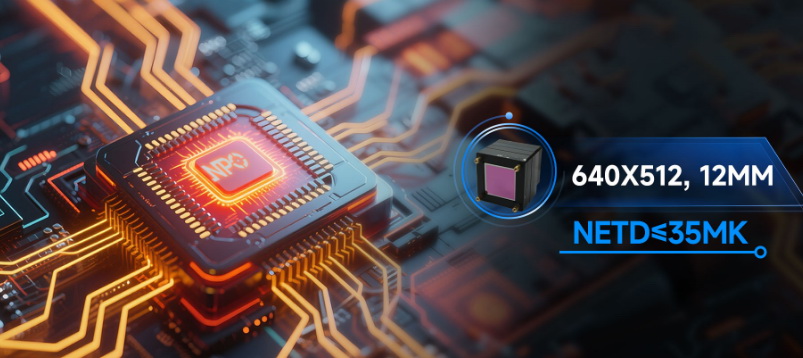
640 thermal detector for handheld monocular

For these reasons, we believe the Palm625 is one of the most suitable handheld thermal imaging products in our current lineup for this type of outdoor environment.

Built for Practical Outdoor Thermal Observation

When selecting a handheld thermal imager for outdoor use, image performance is only part of the equation. Comfort, portability, reliability, and the ability to use the device for extended periods are equally important.

Before shipment, our technical team conducted a thorough inspection and functional verification of the Palm625 sample to ensure that the customer could use the device immediately upon arrival.

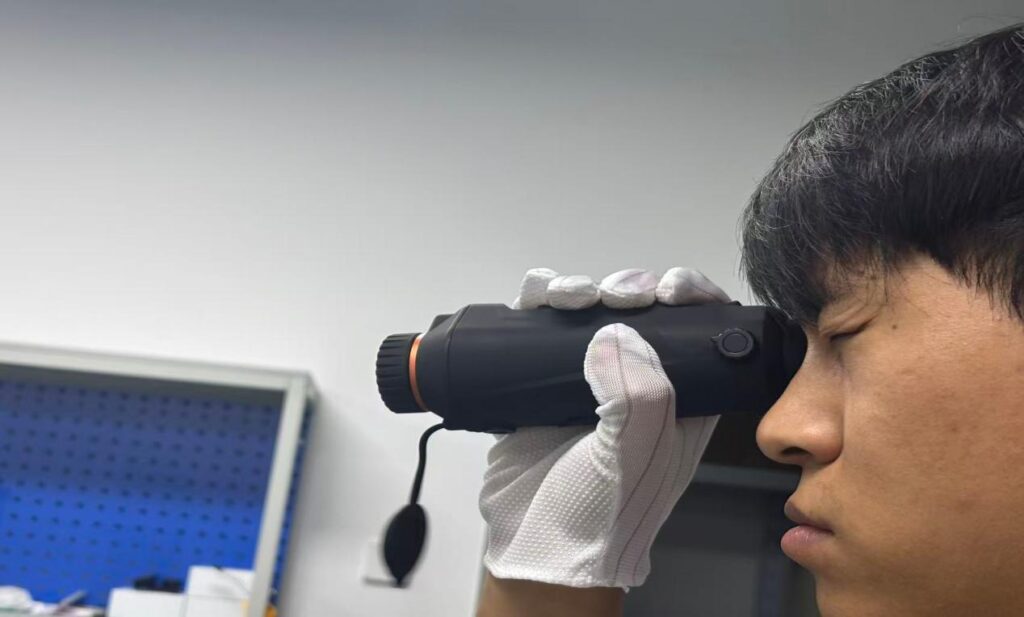
The eyepiece is equipped with a flexible silicone rubber eye cup designed to fit comfortably around the eye socket. It helps block stray light from the sides that could interfere with the viewing experience while reducing pressure around the eye during prolonged observation.

This is particularly important for users who spend extended periods scanning outdoor environments through a thermal monocular.

Compact Size and Lightweight Magnesium Alloy Housing

The Palm625 is designed to fit naturally in the palm while remaining lightweight enough for extended field use.

Its integrated die-cast magnesium alloy housing weighs only 62.4 grams, while the complete device weighs approximately 260 grams.

A supplied lanyard allows users to securely attach the thermal imager to their wrist, while the compact body can easily fit into a shirt or jacket pocket.

For hunters and outdoor enthusiasts who need to carry their equipment over long distances, this lightweight and compact design makes the Palm625 a practical handheld thermal imager for hunting and outdoor observation.

Carefully Prepared for Shipment

We also paid particular attention to the packaging and accessory configuration for this sample shipment.
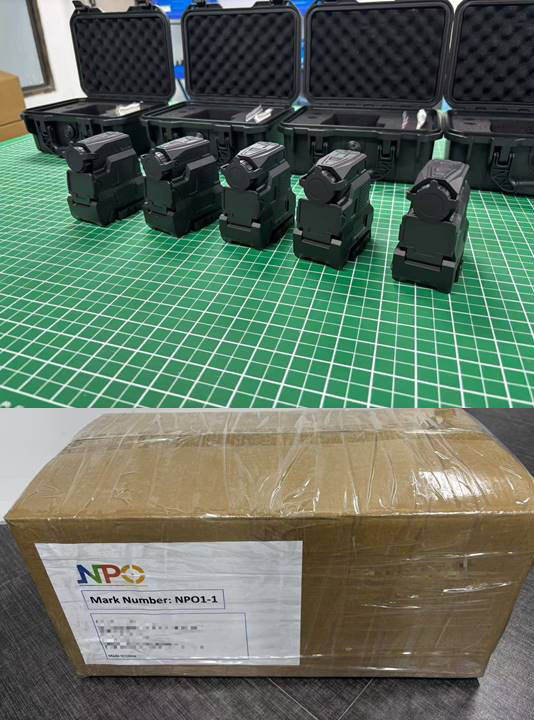
full check before shipping the handheld thermal imager

The Palm625 comes in a premium black rigid gift box with a precision-molded high-density foam insert. The foam securely holds the device in place and provides protection against impact and compression during transportation.
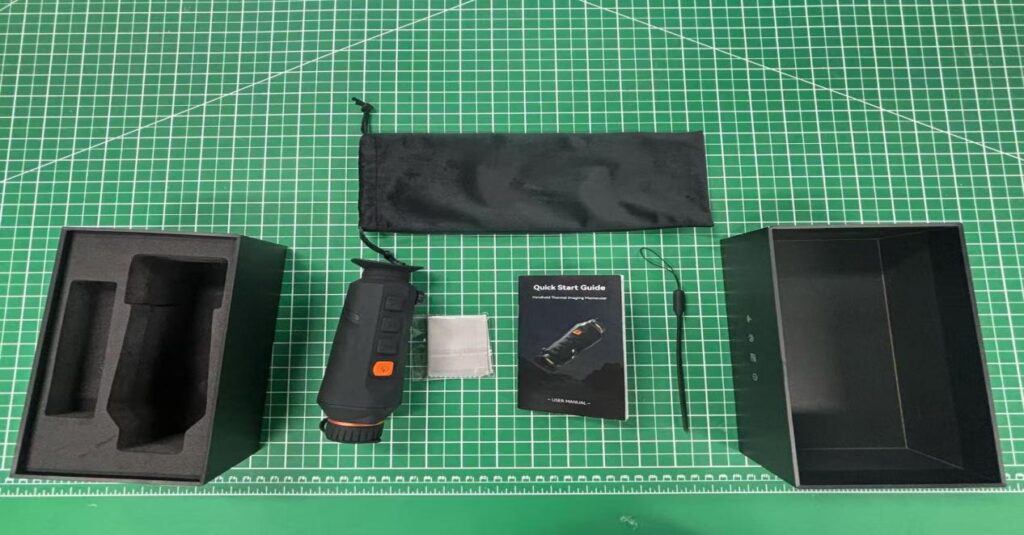
handheld thermal monocular and accessories in package

The standard accessory package includes:

  • Palm625 handheld thermal imager
  • Black velvet drawstring storage pouch
  • Official quick-start guide
  • Spare lens sealing gaskets
  • Anti-loss lanyard

We believe that a professional thermal imaging product should arrive ready for use, with the essential accessories properly organized and protected.

Why 640×512?

The Palm625 uses a 640×512 thermal detector, providing a higher level of image detail compared with lower-resolution thermal imaging systems.

For outdoor observation, higher detector resolution can provide additional detail when identifying thermal targets and evaluating scenes at different distances.

The choice between 384×288 and 640×512 thermal imaging depends on factors such as observation distance, lens selection, target size, budget, and intended application. For users interested in understanding the practical differences between these two resolutions, our 384 vs. 640 thermal scope buying guide provides a more detailed comparison.

A New Market for Palm625

This shipment to New Zealand represents more than just another sample order for us.

It is our first collaboration with a channel partner in New Zealand and an opportunity to better understand the requirements of customers in the Southern Hemisphere.

Every market has its own environmental conditions, user habits, and application scenarios. By communicating directly with customers and understanding how they actually use thermal imaging products in the field, we can continuously improve our product recommendations and future product development.

For Novelty Point Optics, this is also part of our approach to product development: listen to users, understand real-world applications, and develop optical products around practical needs.

The Palm625 is only one example.

As we continue working with outdoor professionals, hunters, distributors, and brand partners around the world, we hope to bring more practical thermal imaging solutions to different markets.

The journey of Palm625 into New Zealand is just beginning.
Thermal Red Dot Sight: How NPO Created a Fusion Optic | NP-Optics Story

Last winter, I was discussing the future of hunting optics and tactical equipment with a friend when he shared an idea that stayed with me.

He said that modern optical equipment is becoming increasingly advanced, but one simple problem is often overlooked:

What happens when electronic equipment loses power?

A highly capable optic can become useless when its battery runs out.

That conversation led us to think about a new possibility:

Could we create a thermal red dot sight that combines the advantages of thermal imaging with the reliability of a traditional reflex sight?

A sight that provides thermal capability when powered, but still works as a normal red dot sight when the battery is depleted.

This idea became the starting point of our fusion optic development.


Why We Started Developing a Thermal Fusion Sight

During our research into real-world applications, we found that electronic optics always face one unavoidable challenge — power dependency.

Thermal imaging systems provide excellent detection capability, especially in low-light environments, but they require continuous power to operate.

When the battery is completely drained, the thermal function disappears.

For many users, losing the entire aiming system because of battery failure is unacceptable.

So we asked ourselves:

Instead of creating another thermal optic that depends completely on electronics, why not combine thermal imaging with a reliable reflex aiming system?

The goal was simple:

Thermal capability when needed. Reliable red dot aiming when power is limited.


How We Combined Thermal Imaging and a Reflex Sight

Our engineering team developed a unique optical solution.

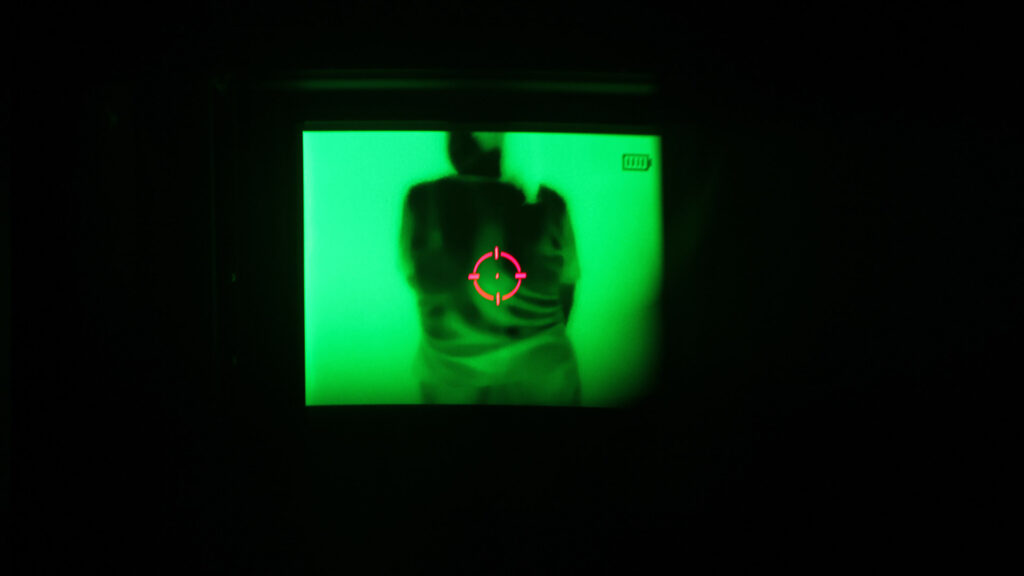
By using a precision reflector system, the thermal display image is projected onto the reflex lens of the red dot sight.

thermal scope and red dot fusion sight

Through careful optical design, machining, and assembly, the thermal imaging system and reflex aiming system were integrated into one compact unit.

The result is a hybrid thermal optic that combines:

  • thermal detection capability;
  • fast reflex aiming;
  • compact size;
  • independent red dot operation.

Battery Design: Thermal Mode and Red Dot Mode

One of the biggest challenges in developing a thermal red dot sight was power management.

The system operates using a single CR123A battery.

In red-dot-only mode:

  • battery life exceeds 2,000 hours.

In full fusion mode:

  • thermal imaging combined with red dot aiming provides approximately 4 hours of continuous heavy use.

When battery power becomes too low to operate the thermal module, the optic can still function as a standalone red dot sight for more than 500 hours.

This design ensures that the optic does not become useless simply because the thermal system loses power.


Compact Design With Practical Performance

For the thermal imaging core, we selected a high-performance 256×192 infrared detector from Iray, combined with a 19mm chalcogenide infrared lens.

This configuration provides an excellent balance between:

  • image quality;
  • size;
  • cost;
  • practical hunting applications.

Within 100 meters, this thermal fusion sight delivers the performance required for fast target identification and engagement.

The entire system is housed in a rugged aluminum alloy body designed for outdoor environments.


From Prototype Development to OEM Production

From the first concept to the initial prototype, the development process took approximately three months.

In February this year, we brought prototype units to several international customers for evaluation.

The response was beyond our expectations.

Many customers were surprised that thermal imaging and reflex aiming could be integrated into such a compact design.

Their feedback helped us further improve:

  • button layout;
  • operating logic;
  • sleep mode;
  • user interface.

After returning to China, our engineering team completed optimization and finalized the product design.


A New OEM Opportunity for Thermal Optics Brands

In May, we received OEM orders from customers in Eastern Europe and sample requests from other markets.

thermal fusion red dot sight ready to be shipped to EU customers

For this product, we provide a flexible OEM manufacturing model, allowing customers to develop products under their own brands.

Our OEM services include:

  • product customization;
  • industrial design adjustment;
  • firmware optimization;
  • packaging customization;
  • production support.

As a thermal optic manufacturer, we believe the best products come from close cooperation between engineers, brands, and end users.


The Future of Thermal Fusion Optics

When we first proposed this idea, we were not sure how the market would respond.

We wondered whether this was simply an interesting engineering concept or whether users truly needed this type of product.

The response answered that question.

Customers from different markets immediately recognized the value of combining thermal imaging with a reliable reflex sight.

This experience confirmed one thing:

Innovation is not always about adding more functions.

Sometimes, it is about solving a simple problem that many people have experienced but nobody has solved.

For us, the thermal red dot sight is not just a new product.

It is a new direction for compact thermal optics.

Explore NPO Thermal Fusion Optic Solutions

Looking for a customized thermal red dot sight for your brand?

Contact NPO for OEM and ODM cooperation.

Request OEM Information

Celebrating the Launch of EPS-A1 Picatinny Battery Compartment – First Batch Shipped to Poland |NP-Optics News

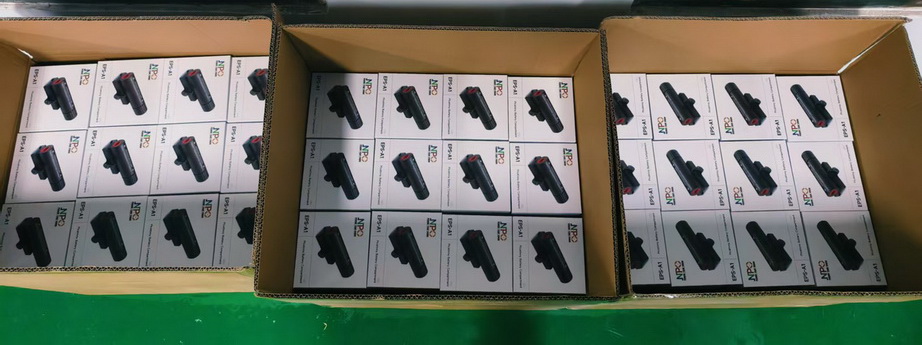
first batch of EPS-A1 production are shipped to Poland customer Apr 2026

On December 22, 2025, we officially launched “Project 222” – a mission to develop a 18650 battery compartment that could be securely mounted on a Picatinny rail. That mission is now complete, and the result is the EPS-A1.

From day one, we worked closely with our existing customers to define exactly what this product needed to deliver.

First, it had to be tough. The EPS-A1 must withstand continuous recoil from rifles equipped with Picatinny rails, protecting the internal 18650 battery while ensuring the Type-C connector never loosens under heavy fire.

Second, two-way charging capability. The unit must not only power thermal scopes, weapon lights, and laser aiming modules from its installed battery, but also allow the internal 18650 to be recharged directly from an external power source – charge and use, no downtime.

Third, universal 18650 compatibility. Our extensive experience with thermal imaging scopes taught us that 18650 batteries vary widely – flat top, button top, thicker, thinner, longer, shorter. The EPS-A1 had to accept them all. We engineered an oversized battery compartment with a spring and silicone pad buffer system – large batteries fit securely, and smaller ones stay locked in place without rattling or damaging the contacts.

Fourth, premium water and dust sealing. A genuine firearm-grade battery compartment must be rugged and fully sealed. We performed multiple seal tests during production, and the results were outstanding: when tested by SGS Laboratory, the EPS-A1 passed IP68 and UL certification with flying colors.

shop at amazon for EPS-A1 battery compartment

The development journey ran from December 22, 2025, to April 2, 2026 – nearly four months. We ran impact tests repeatedly, revised the design over and over, and filed a patent application along the way. From concept to design to production and testing, Novelty Point Optics maintained constant communication with our global distributors and professional users, demonstrating our mature engineering capabilities and efficient execution.

For the first production run, we prepared components and accessories for 2,000 units. Our customer in Poland placed the very first order – 100 units – even before the product was officially off the production line. Last week, those 100 units were shipped to Warsaw. Meanwhile, sample orders are now on their way to Moscow, Dallas, and Virginia. Our first batch of 180 self-operated units has also been sent to Amazon USA, and we expect customers to be able to purchase the EPS-A1 directly from the Novelty Point Optics official Amazon store by the end of April.

Special thanks to Tommy and Sergei for their expert advice. Your feedback made the EPS-A1 a better product.

Find out more about the possibility of working with Novelty point optics in OEM manufacturing, product developing please contact us!

Penguin15 holographic red dot QC test | NP-Optics News

Recently we decide to make a video to explain how the P15 holographic red dot sights are keeping their accuracy through strict QC during production. We use custom designed recticle checking camera to make sure the axis is aligned during assembling, and when the red dots are made, we put them on the recoil simulating machine to go through a intensive 1200G test. After the test, we put them back on reticle checking camera, any red dots with 2moa reticle deviation will be classified as defects and send back to re-production. NPO keep this as the most important solution to gurantee the quality and performance of any laser holographic red dot we made for the customers.

Please enter your info and let's start chatting!